What Homeowners Should Know Before Excavating on Their Property
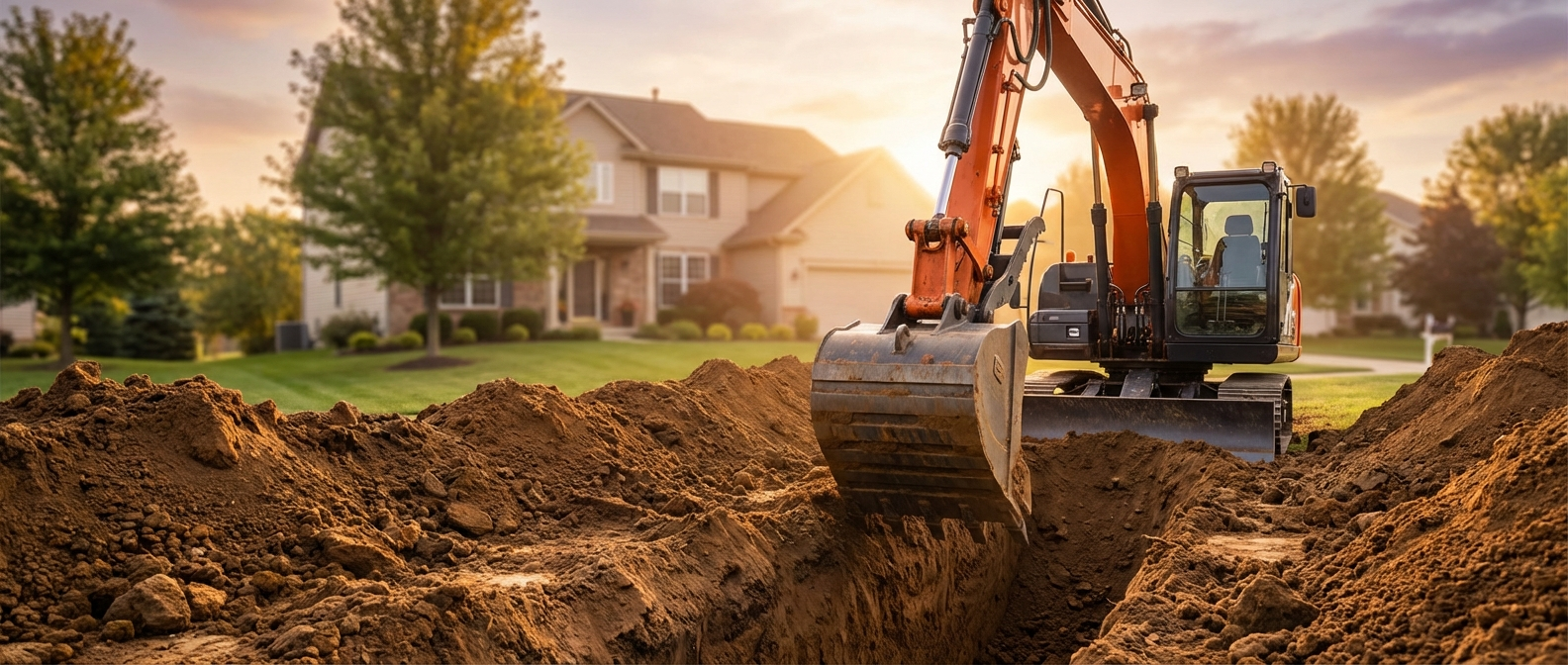
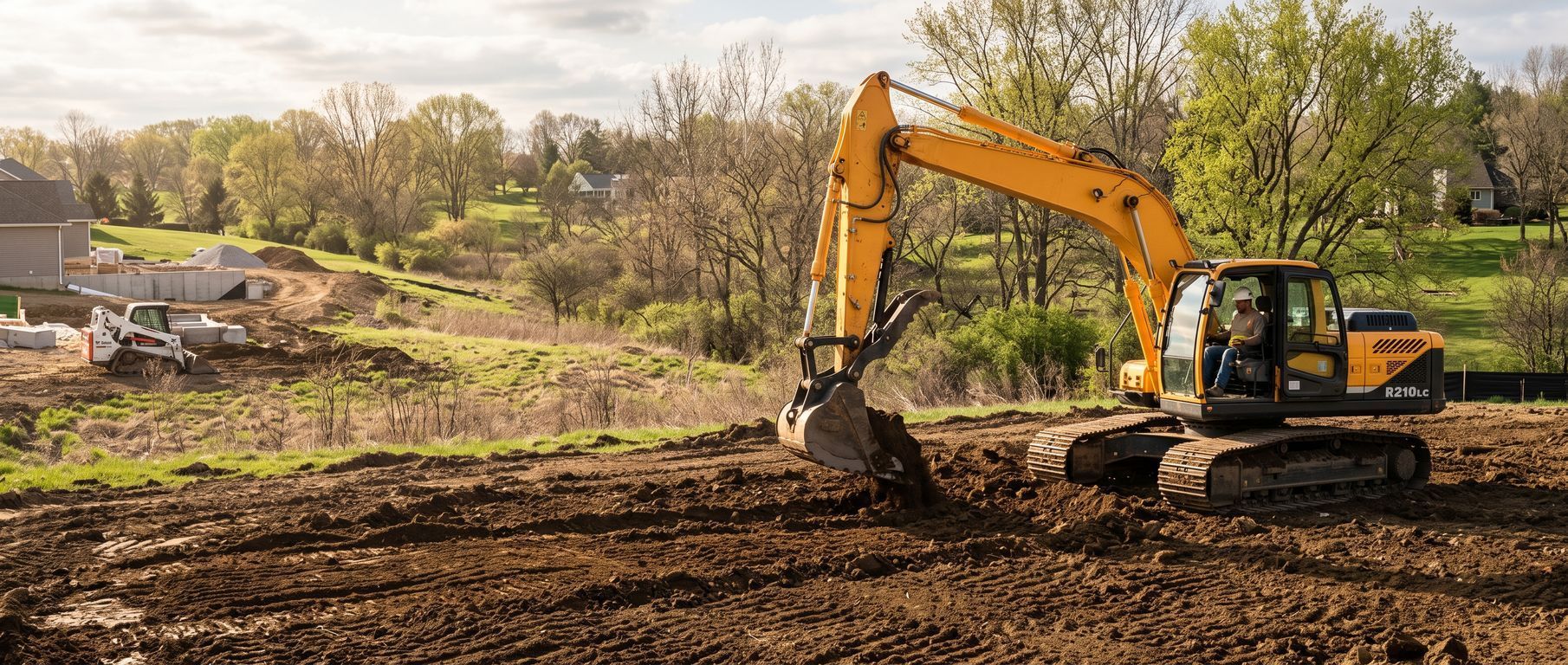
Excavation projects can be exciting for homeowners, as they often mark the start of new construction, landscaping, or utility installations that will transform your property. However, excavation involves more than just digging into the ground—it requires careful planning, specialized equipment, and adherence to safety regulations to ensure success. At Precision Dig Excavation, we understand how complex excavation can be and are here to guide you through the process. Here’s what every homeowner should know before starting an excavation project on their property.
Understand the Purpose of the Excavation
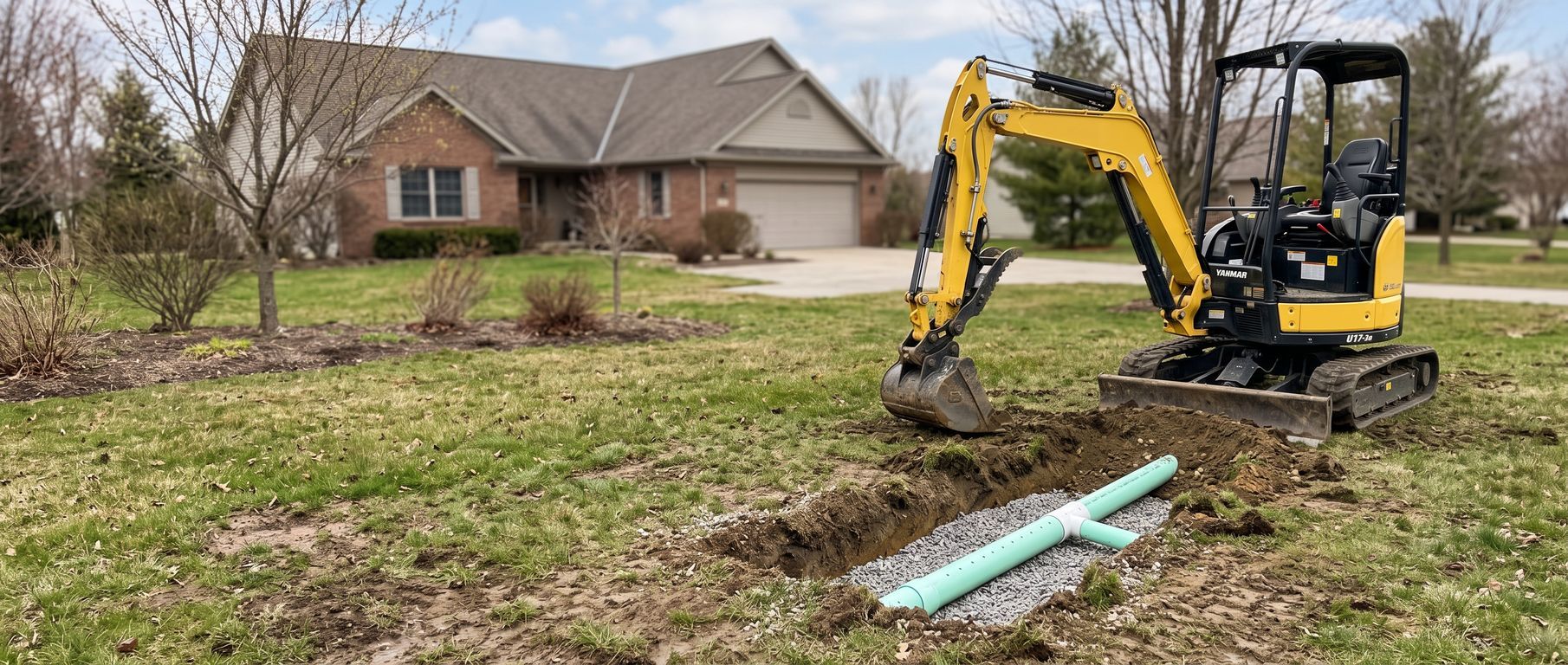
Before beginning, it’s essential to clearly define the purpose of the excavation. Are you installing a new foundation for an addition to your home? Preparing a site for a pool or patio? Installing underground utilities or drainage systems? Each type of excavation project comes with unique requirements, from the depth and size of the excavation to the type of equipment needed. Having a clear goal allows excavation professionals to design the right approach and estimate the scope of the work accurately.
Check Local Regulations and Permits
Excavation isn’t as simple as starting a project in your backyard. Most municipalities have specific regulations that govern excavation to ensure safety and prevent damage to underground utilities. Homeowners typically need to obtain permits before work begins. Failing to secure the proper permits can lead to costly fines and project delays.
At Precision Dig Excavation, we help homeowners navigate the permitting process, ensuring compliance with local regulations. We also confirm property lines and zoning restrictions to avoid conflicts with neighbors or legal issues.
Locate Underground Utilities
One of the most critical steps before any excavation project is identifying and marking underground utilities. Gas lines, water pipes, electrical cables, and sewer systems can run beneath your property, and accidental damage to these can be dangerous and expensive to repair.
In most areas, calling a utility locating service, such as 811 in the United States, is mandatory before digging begins. This free service sends professionals to mark the location of underground utilities, giving your excavation team a clear picture of where it’s safe to dig. Our team at Precision Dig Excavation always includes this step in our process to ensure safety and avoid disruptions.
Assess Soil Conditions
Not all soil is created equal. The type, stability, and moisture content of the soil on your property will impact excavation plans. For instance, sandy soil requires different techniques and equipment than clay soil, while areas with rocky or compacted ground might need specialized machinery to break through.
Soil stability is also a key factor in preventing cave-ins, which can pose serious safety risks. Our experienced team assesses soil conditions before beginning any excavation, ensuring that the site is prepared for safe and efficient digging.
Plan for Erosion and Drainage
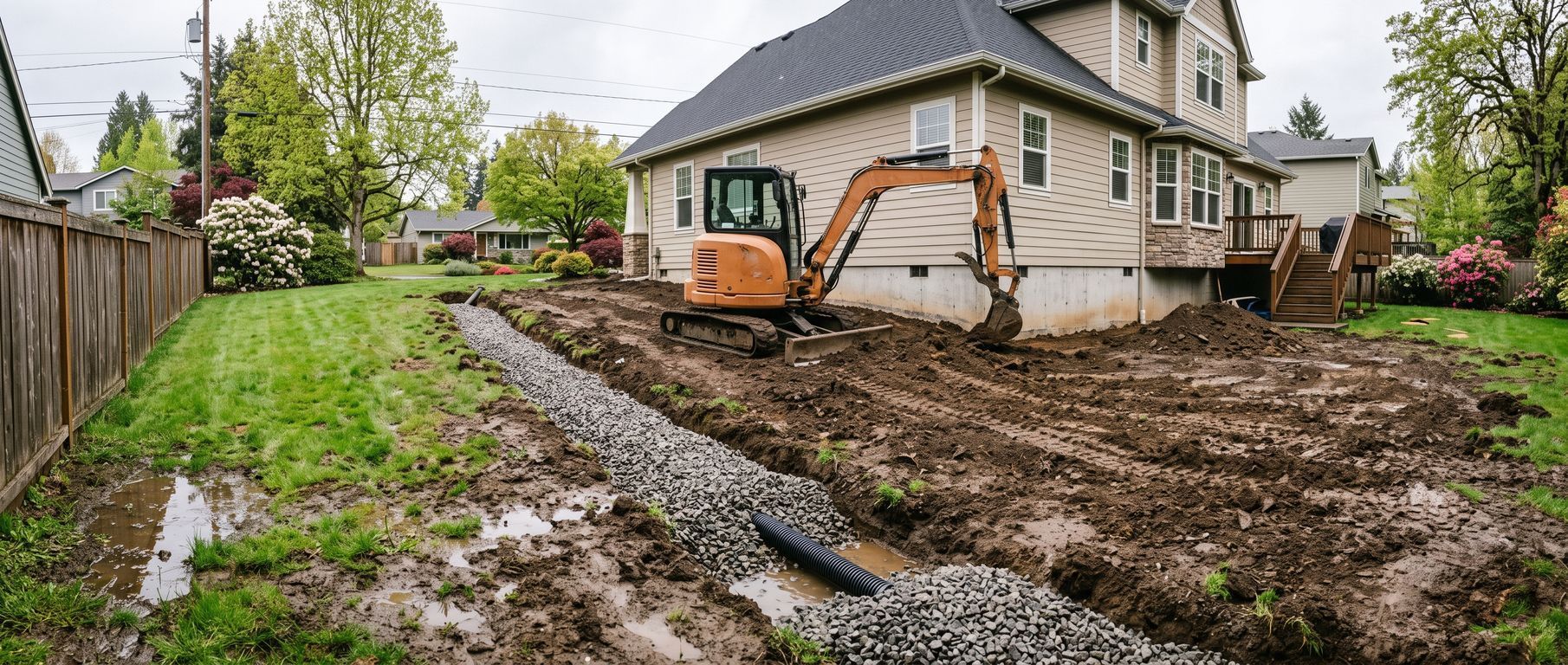
Excavating the land can disrupt natural drainage patterns and increase the risk of erosion if not managed correctly. Homeowners should consider how the excavation will affect water flow on their property, especially during heavy rains or snowmelt.
At Precision Dig Excavation, we take steps to prevent erosion and maintain proper drainage, such as installing silt fences, redirecting water flow, or regrading the land. These measures protect both your property and the surrounding environment, ensuring a stable foundation for your project.
Consider the Impact on Your Landscaping
Excavation can significantly alter the appearance of your yard, and homeowners should plan for potential disruptions to landscaping. Trees, shrubs, and lawns may need to be removed or relocated, depending on the scope of the project. Discuss these considerations with your excavation team to develop a plan for preserving or restoring your landscaping.
Additionally, you’ll want to account for the removal of excavated materials, such as soil and rocks, which can accumulate quickly during the process. Our team ensures proper disposal or repurposing of these materials, minimizing the impact on your property.
Factor in Time and Budget
Excavation is often one of the first steps in a larger project, so it’s crucial to allocate sufficient time and budget for the work. Factors like soil conditions, weather, and the complexity of the excavation can influence both timelines and costs.
By working with a professional excavation company like ours, you’ll receive a detailed estimate and timeline for your project, giving you a clear understanding of what to expect. Our transparent communication and expertise help prevent surprises, ensuring your project stays on track.
Hire Professionals for Safe and Efficient Work
While some homeowners may consider DIY excavation for small projects, hiring professionals is the safest and most efficient way to handle excavation on your property. Excavation requires specialized equipment, knowledge of safety protocols, and experience working with different types of terrain and projects.
At Precision Dig Excavation, we bring years of experience and state-of-the-art equipment to every job. Our team prioritizes safety, efficiency, and precision, ensuring that your excavation project is completed to the highest standards.
Conclusion
Excavation is a crucial step in many home improvement projects, but it requires careful planning and professional expertise to do it right. From securing permits and locating utilities to managing soil stability and drainage, there are many factors to consider before breaking ground.
By partnering with a trusted excavation company like Precision Dig Excavation, you’ll have peace of mind knowing that every aspect of your project is handled safely and efficiently. If you’re considering an excavation project on your property, contact us today to discuss your needs and take the first step toward making your vision a reality.
You might also like