Common Hazards Associated with Excavation: What You Should Know
Excavation is a crucial part of many construction projects, but it also comes with its share of risks. At Precision Dig Excavation, safety is our top priority, and we’re committed to minimizing hazards to keep our team, our clients, and the worksite safe. Whether you're digging for a foundation, trenching for utilities, or preparing land for development, it's essential to be aware of the potential dangers associated with excavation. Here, we’ll walk you through some of the most common hazards and how we work to prevent them.
1. Cave-ins and Collapses
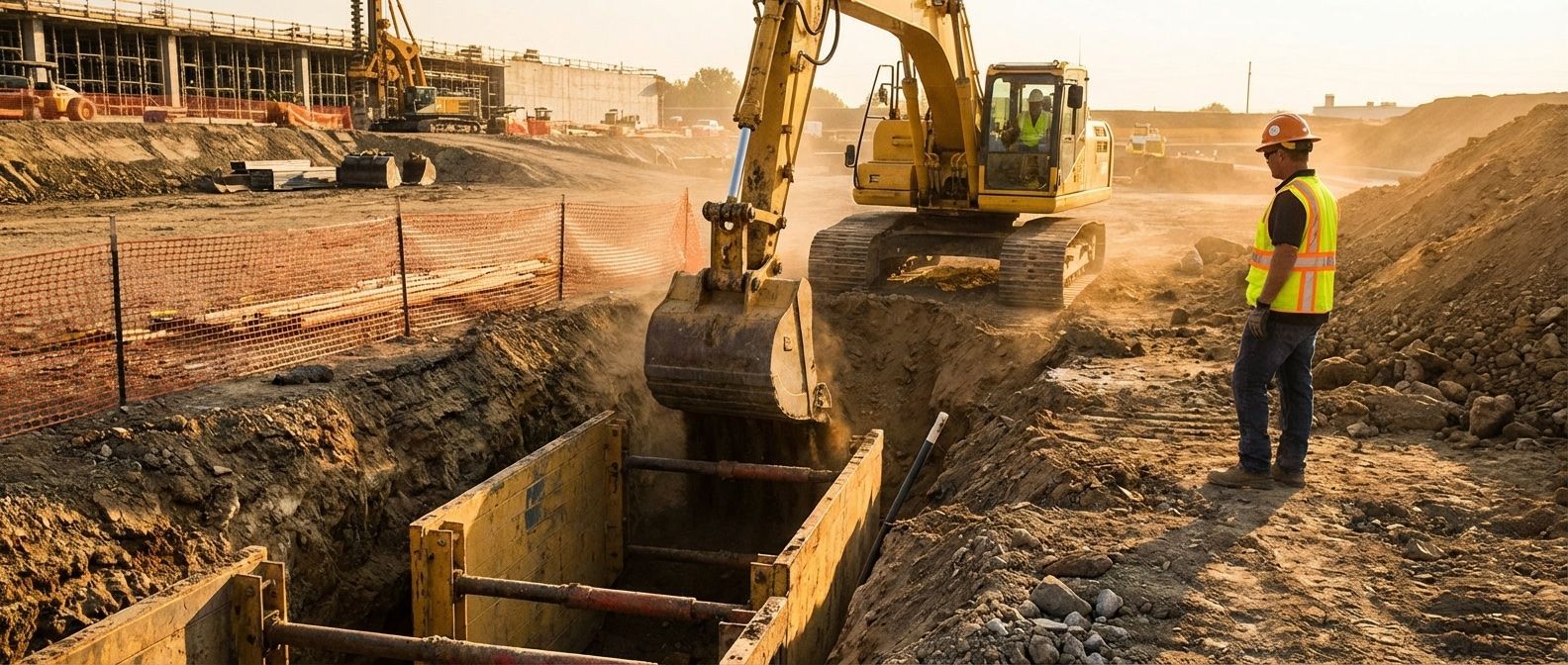
One of the biggest risks in excavation is a trench or excavation site collapsing. When soil is removed, the pressure and weight of the surrounding earth can cause the walls to cave in, potentially trapping or injuring workers. Cave-ins are responsible for many of the most serious excavation-related injuries.
To prevent this, we always take steps to ensure the stability of the excavation walls. This includes techniques like sloping the sides of the trench, benching (cutting steps into the trench walls), or using protective systems such as trench boxes and shoring. These methods help support the walls and reduce the risk of collapse, keeping the worksite safe.
2. Underground Utilities
Before starting any excavation project, one of the most critical tasks is locating and marking underground utilities. Hitting a gas line, water pipe, or electrical cable can be extremely dangerous. Striking a gas line can lead to an explosion, while hitting an electrical cable could cause serious injury or even be fatal. Damaging water or sewage lines can lead to flooding or contamination, disrupting the project and surrounding areas.
We always take the time to call the local utility locator service (dialing 811 in the U.S.) to ensure we know where underground utilities are before we dig. Once these lines are marked, we take extra precautions to avoid them during excavation. Careful planning and close attention to these markers are essential for preventing accidents.
3. Hazardous Atmospheres
Excavation sites, especially deep trenches, can sometimes have hazardous atmospheres. These areas might accumulate gases like carbon monoxide, methane, or other toxic substances that could be harmful or even deadly if inhaled. Some trenches also pose the risk of oxygen depletion, where there isn’t enough breathable air, which can be a serious hazard for workers.
To ensure safety, we conduct air quality tests before allowing workers to enter deep or confined excavation areas. If hazardous gases or low oxygen levels are detected, we implement ventilation systems or provide the necessary protective equipment to keep everyone safe. Regular monitoring is key to ensuring that conditions remain safe throughout the project.
4. Falls and Falling Objects
Excavation sites can have uneven terrain, open trenches, and other hazards that make trips and falls a common risk. Workers or equipment falling into an open excavation site can result in serious injury. Additionally, heavy machinery or loose materials at the edge of an excavation site can pose a risk of falling into the trench, potentially injuring workers below.
To prevent falls, we implement protective measures such as installing barriers, warning signs, and guardrails around open trenches. We also make sure the area around the excavation site is clear of loose materials that could fall or shift into the trench. Workers are trained to be mindful of their surroundings and to wear the appropriate personal protective equipment (PPE), such as hard hats, to minimize injury risks.
5. Water Accumulation and Flooding
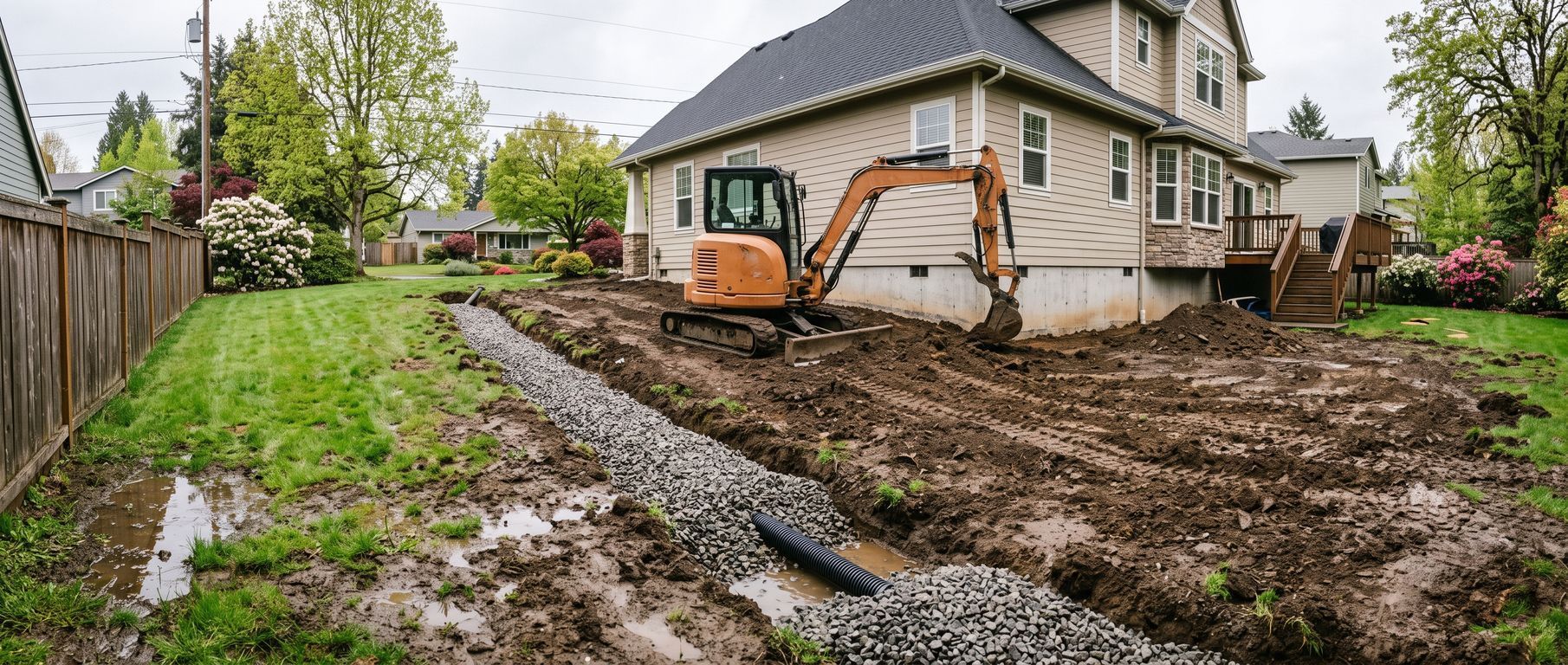
Water accumulation in an excavation site can weaken the trench walls and lead to cave-ins. It can also create slippery conditions, increasing the chances of falls. Heavy rains, broken water lines, or high water tables can all lead to flooding at an excavation site, making the environment hazardous for workers.
To prevent water-related hazards, we use proper drainage systems or pumps to keep the site dry. We monitor weather conditions closely and plan accordingly, especially during the rainy season. If water starts to accumulate, we stop work until the site is properly drained and safe to continue.
6. Heavy Equipment Hazards
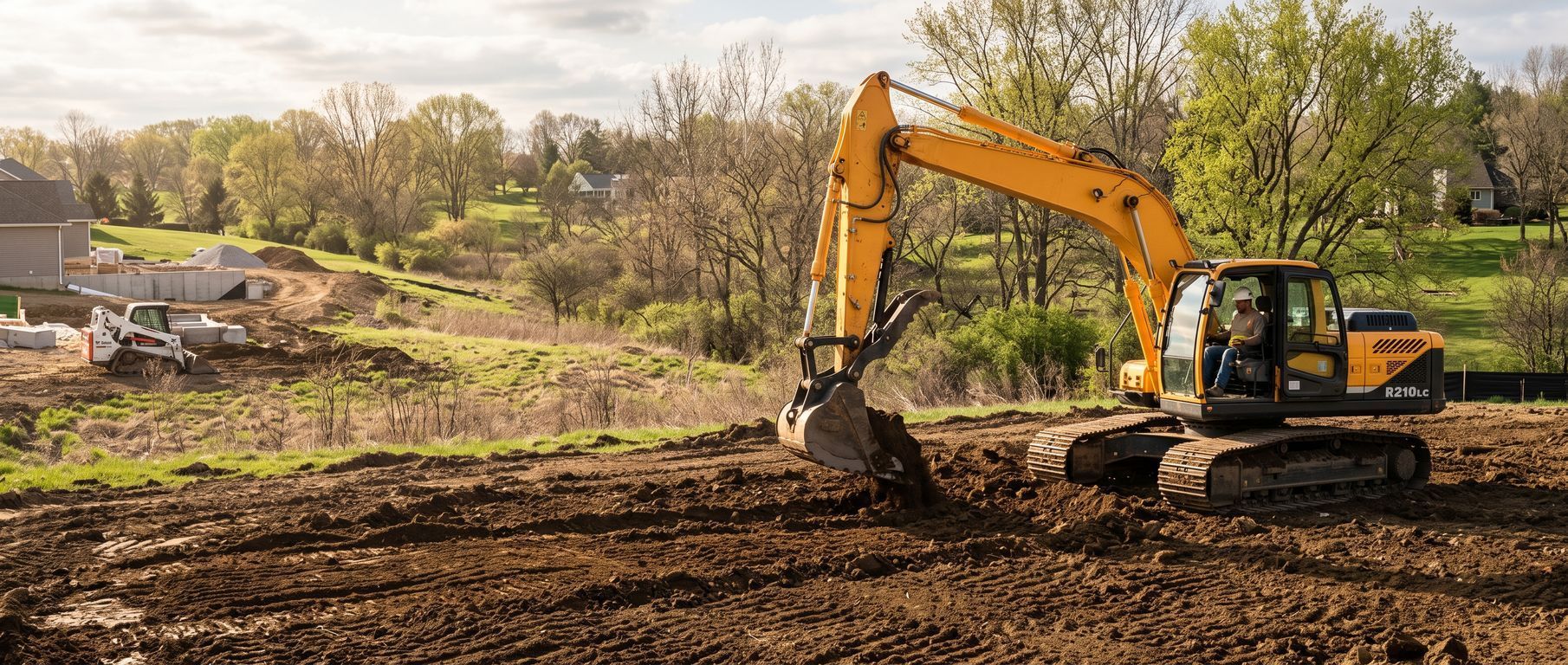
Excavation often requires the use of heavy machinery such as excavators, backhoes, and bulldozers. While these machines are essential for moving large amounts of soil and rock, they also pose a risk to workers on the ground. Accidents can happen if operators aren’t properly trained, or if workers are too close to the equipment while it’s in use.
To mitigate these risks, we ensure that all heavy equipment is operated by trained and experienced personnel. Workers on the ground are instructed to maintain a safe distance from operating machinery, and communication between operators and workers is clear and constant. We also perform regular maintenance on equipment to prevent mechanical failures that could lead to accidents.
Conclusion: Safety First in Every Excavation Project
Excavation can be dangerous if proper safety measures aren’t followed. At Precision Dig Excavation, we prioritize safety in every project to protect both our workers and the surrounding community. From preventing cave-ins to avoiding underground utilities and handling heavy equipment with care, we make sure every aspect of excavation is done with safety in mind.
By understanding and addressing these common hazards, we can ensure a smooth, safe, and successful excavation process. If you have an upcoming project and want to work with a team that puts safety first, contact us today—we’re here to help!
You might also like