What is the Best Way to Excavate Around Underground Utilities?
Excavating around underground utilities is one of the most sensitive parts of any construction or landscaping project. At Precision Dig Excavation, we know how crucial it is to avoid hitting utility lines—whether they’re gas, water, sewer, or electrical cables. Striking one of these lines can result in serious injuries, service outages, costly repairs, and project delays. Thankfully, there are methods and precautions that professionals use to make excavation around utilities as safe as possible. Here’s how we approach this important task to ensure safety, precision, and compliance with local regulations.
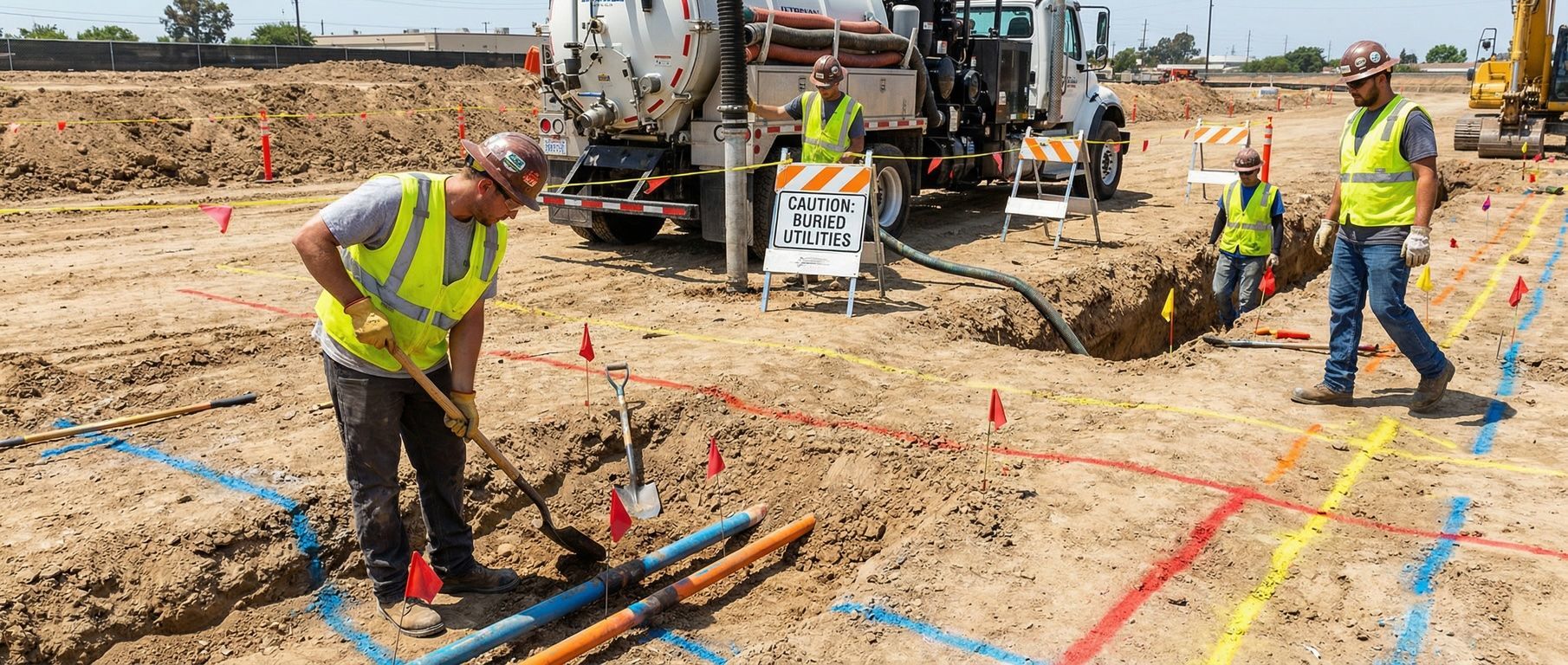
The first step to safe excavation around utilities is to locate and mark all underground lines. Before we even bring any equipment on-site, we contact the local utility locator service. In the United States, this involves calling 811, which alerts utility companies to send out professionals who mark the locations of lines with flags or paint. These markings indicate where pipes or cables are buried, providing essential guidance to avoid damaging them during the excavation. It’s not only a good practice but often a legal requirement to call 811 before starting any digging project.
Once the utility lines have been marked, we conduct a thorough assessment of the site. This helps us understand the layout of the utilities and how they interact with the planned excavation area. We identify high-risk zones, areas that require extra caution, and regions where mechanical digging might need to be limited. Our team maps out a careful excavation plan that prioritizes safety and ensures the project can proceed smoothly without risking accidental strikes to buried utilities.
With the layout established, we focus on using the right tools and techniques. When digging close to utilities, we avoid heavy machinery as much as possible. Mechanical digging has a higher risk of damaging lines, so we often opt for hand-digging tools in these areas. Using shovels and other hand tools might take more time, but it gives us far greater control over the digging process. We carefully remove soil around the utility lines, allowing us to get closer without putting pressure on the pipes or cables.
In situations where hand-digging may not be feasible, we use non-destructive digging methods like hydro excavation. This method uses high-pressure water to break up soil around the utilities, which is then vacuumed up to expose the lines safely. Hydro excavation minimizes the risk of damage and is particularly useful in areas where utilities are dense or located in hard-to-reach spots. By choosing hydro excavation, we can dig around utilities with precision and avoid the dangers associated with mechanical excavation.
During the excavation process, constant monitoring and communication are key. Our team is trained to stay vigilant, watching for unexpected pipes or lines that might not have been marked. Utility lines can shift over time, and not all of them are documented on public records. Our crew members keep a close eye on the ground and make adjustments as needed to avoid potential hazards. Communication among team members is also essential; we use signals, radios, and clear instructions to keep everyone informed of any discoveries or changes in the plan.
Safety precautions are critical, especially when working near gas or electric lines. We ensure that all team members wear appropriate personal protective equipment, including hard hats, gloves, and safety boots. Additionally, we conduct safety briefings before starting any excavation around utilities, going over emergency procedures, evacuation routes, and first-aid protocols in case an accident does occur. Our goal is to create an environment where every team member is aware of the risks and prepared to handle any unexpected issues.
When the excavation is complete, we take steps to restore the area around the utility lines. Proper backfilling is essential, as it helps protect the utilities from future damage and supports the stability of the surrounding soil. We ensure that the soil is compacted carefully and that any protective barriers, such as sand padding around pipes, are replaced as needed. This final touch not only safeguards the utilities but also prevents any future settling or erosion in the excavated area.
Excavating around underground utilities is a careful and deliberate process that requires knowledge, experience, and attention to detail. At Precision Dig Excavation, we’re committed to performing this work with the highest standards of safety and precision. Our approach ensures that utilities remain intact and functional while allowing our clients’ projects to proceed without unnecessary interruptions. If you’re planning a project that involves digging near utilities, working with a professional excavation company like ours is the best way to ensure that the job is done right from start to finish.
You might also like