What Types of Equipment Are Used in Excavation? Let’s Break it Down!
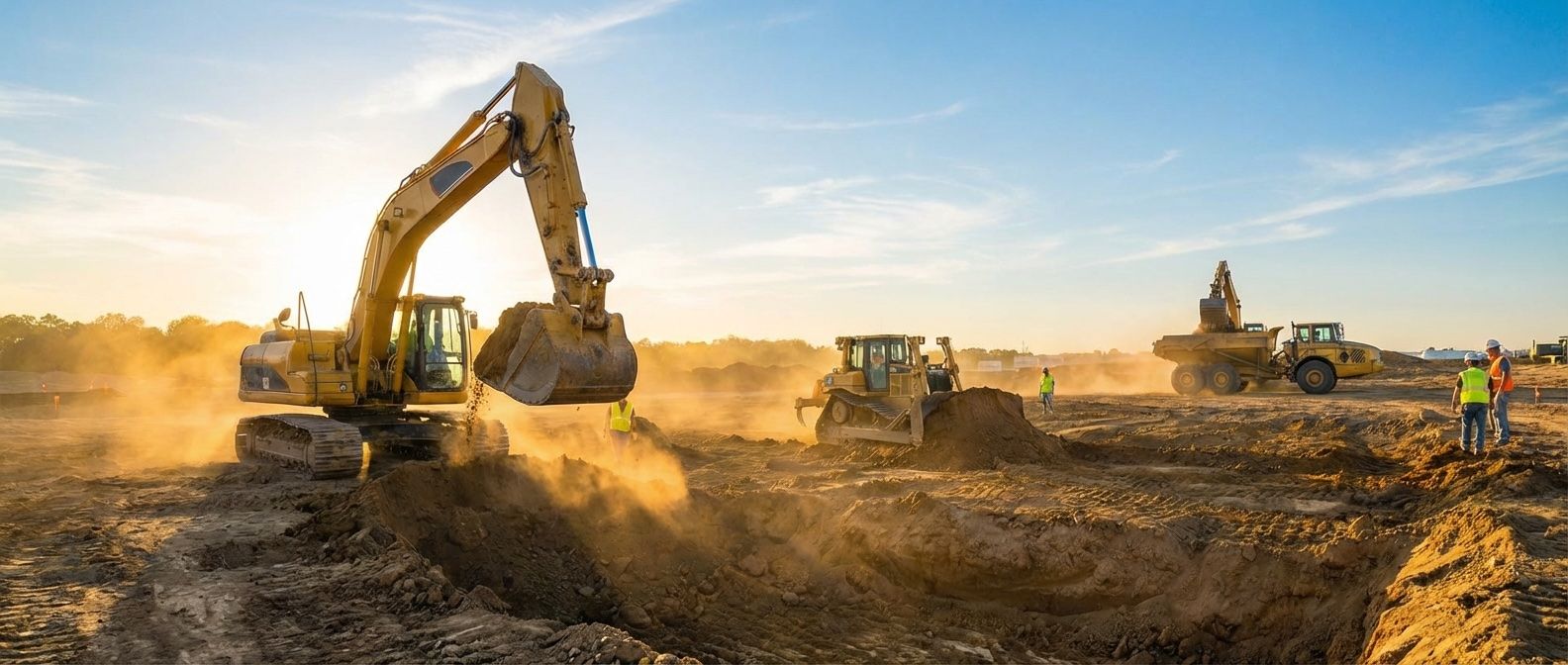
At Precision Dig Excavation, we use a variety of powerful machines to get the job done safely and efficiently. Excavation projects, whether big or small, require the right tools to move dirt, rock, and other materials. If you’re curious about what types of equipment are used in excavation, we’ve got you covered! Here’s a look at the most common machinery we use and what each one does.
1. Excavators
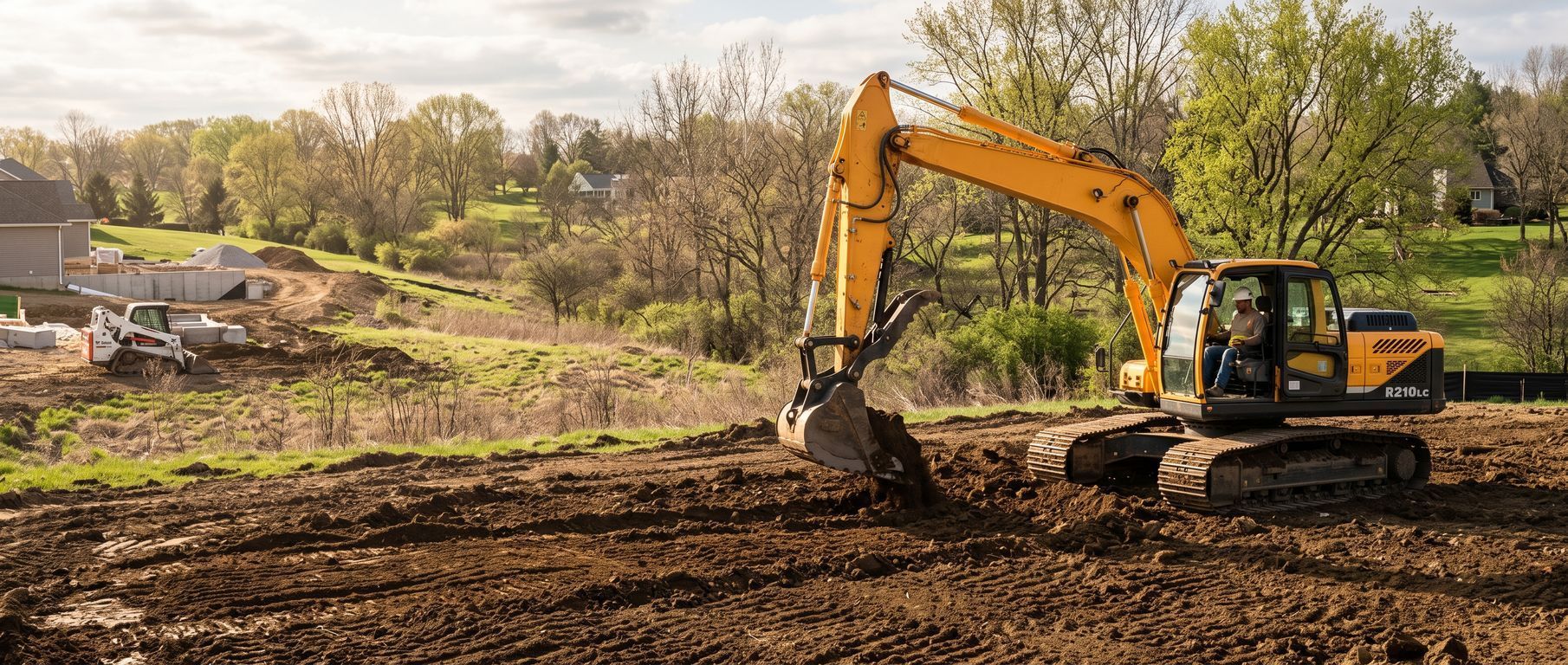
Excavators are the most common and versatile machines used in excavation. You’ve probably seen these on construction sites—they’re the big machines with a long arm and a large bucket at the end.
- What they’re used for: Digging trenches, foundations, and large holes. They’re also great for lifting and moving heavy materials.
- Why we use them: Excavators are powerful and can handle tough digging jobs quickly. With the right attachments, they can do more than just dig—like breaking up concrete or lifting heavy pipes.
2. Backhoes
A backhoe looks a bit like a combination of two machines. It has a digging bucket on the back and a loader on the front, making it a very handy tool for smaller excavation projects.
- What they’re used for: Digging small-to-medium-sized trenches or holes and moving materials like dirt or gravel.
- Why we use them: Backhoes are compact and versatile. They can switch between digging and moving materials easily, which saves time on smaller job sites.
3. Bulldozers
Bulldozers are big, heavy machines with a large, flat blade on the front. They are designed to push large amounts of soil, sand, or debris.
- What they’re used for: Clearing land, leveling surfaces, and pushing heavy material like dirt or rocks.
- Why we use them: Bulldozers are great for shaping and clearing land. They’re powerful enough to move large amounts of material quickly, which makes them essential for site preparation.
4. Skid Steer Loaders
A skid steer loader is a smaller, more compact machine with a variety of attachments. Its design allows for quick movement and easy handling in tight spaces.
- What they’re used for: Excavation in tight spaces, moving materials, grading, and clearing debris.
- Why we use them: These machines are small but mighty! They’re perfect for projects in confined areas, and their ability to handle different attachments makes them incredibly flexible.
5. Trenchers
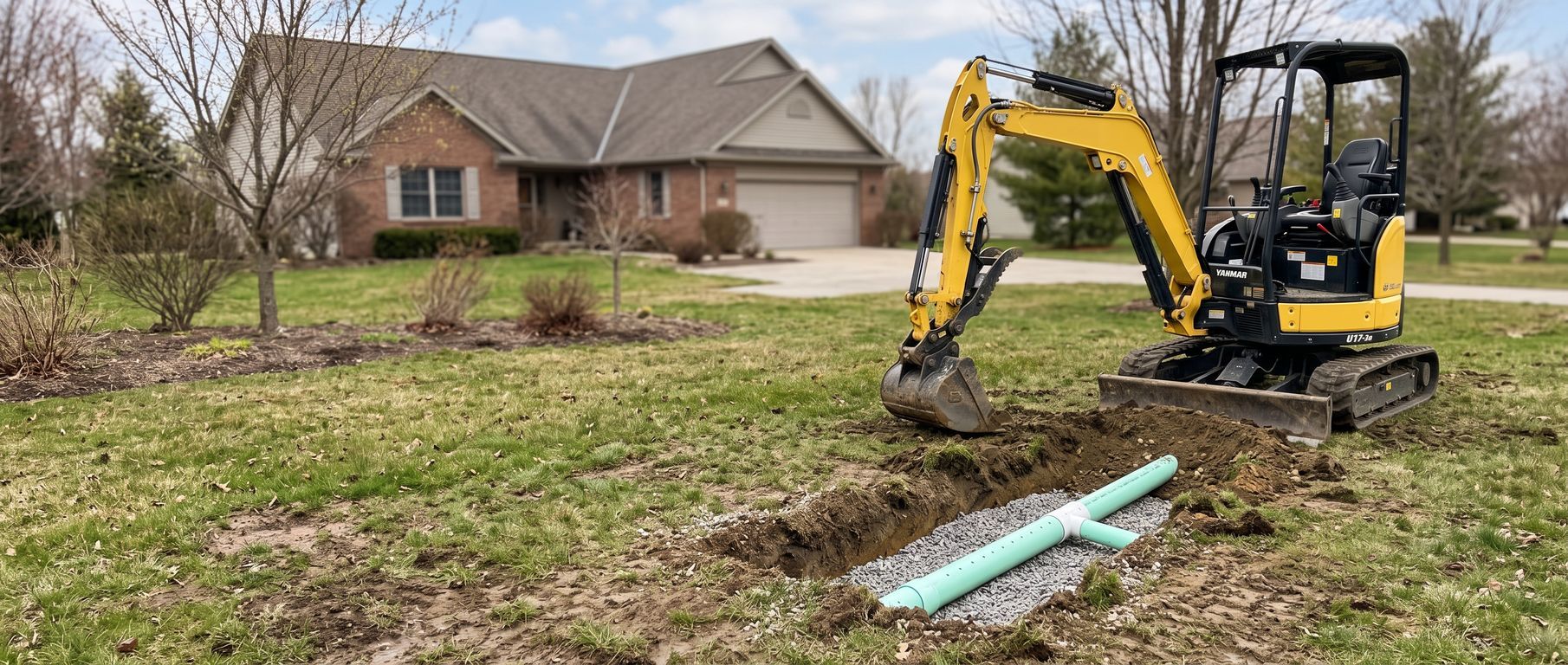
Trenchers are specialized machines designed to dig narrow trenches, often for utility lines like water pipes or electrical cables.
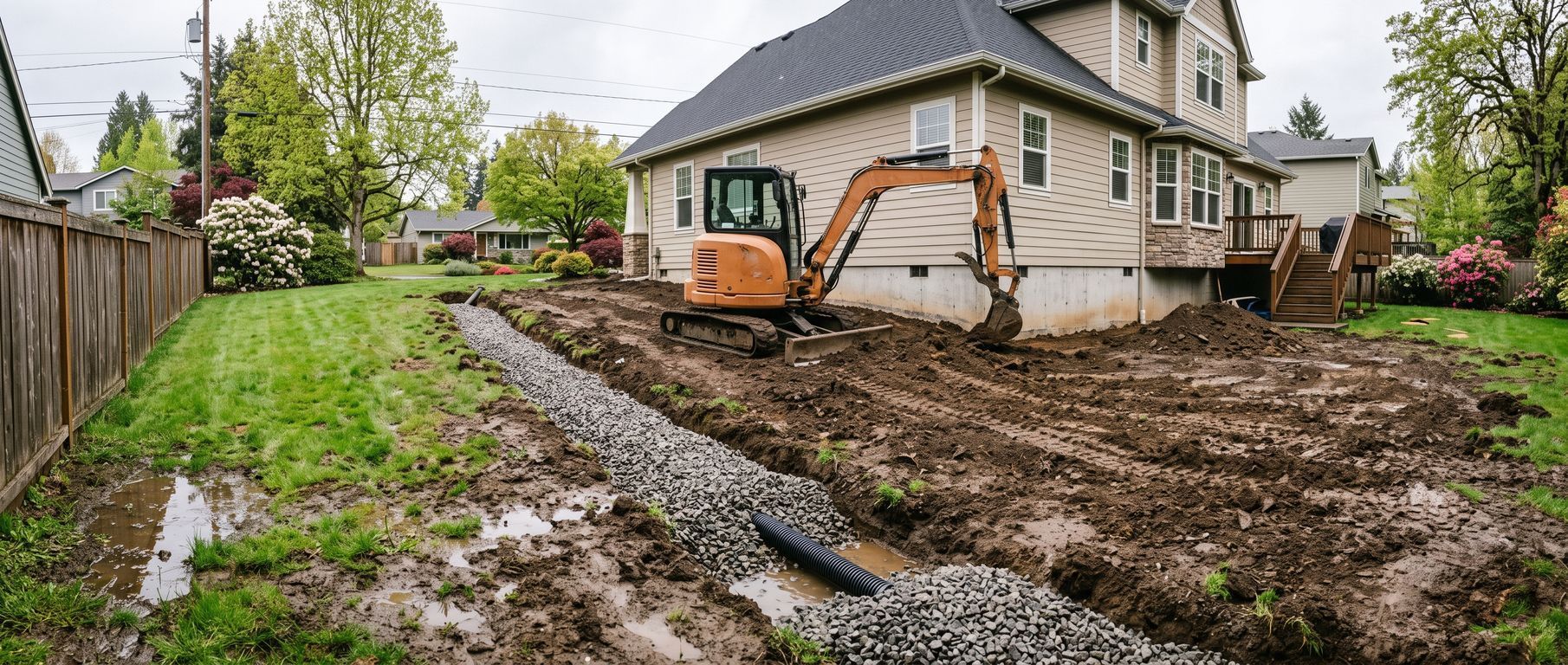
- What they’re used for: Digging trenches of various depths and widths for pipes, cables, or drainage systems.
- Why we use them: Trenchers can dig precise, uniform trenches quickly. This makes them ideal for utility installation and other projects where exact trench sizes are required.
6. Graders
Graders have a long blade that’s used to create a flat surface, usually after excavation is done. They’re often seen on road construction projects but are also used for site leveling.
- What they’re used for: Smoothing and leveling the ground after the initial excavation work is complete.
- Why we use them: Graders provide the final touches to a site, ensuring a level surface. This is important for everything from road building to laying foundations.
7. Dump Trucks
Dump trucks might not do the digging, but they’re just as important on the job site. These trucks transport large amounts of dirt, rock, and debris from the excavation site to wherever it needs to go.
- What they’re used for: Hauling away excavated materials or bringing in materials like sand or gravel for the site.
- Why we use them: Efficiently moving large volumes of material is critical to keeping the job site clean and organized. Dump trucks make this process fast and easy.
8. Compactors
After digging or moving earth, the ground often needs to be packed down. That’s where compactors come in. These machines use pressure to flatten and solidify the soil.
- What they’re used for: Compacting soil or asphalt, especially in preparation for construction or roadwork.
- Why we use them: Compacting the ground makes it stable and prevents shifting or settling later on, which is crucial for building strong foundations.
9. Hydraulic Breakers
Sometimes, excavation involves breaking up tough surfaces like concrete or rock. Hydraulic breakers are attachments for excavators that act like giant jackhammers.
- What they’re used for: Breaking through concrete, asphalt, or rock during demolition or tough excavation jobs.
- Why we use them: When we encounter hard surfaces that need to be removed, hydraulic breakers are the tools for the job. They save time and effort by breaking up tough materials with ease.
Final Word: The Right Equipment for Every Job
At Precision Dig Excavation, having the right equipment for the job is key to getting the project done safely and efficiently. Each piece of machinery plays a vital role, whether we’re digging foundations, preparing land, or clearing debris. By using the best tools, we ensure that our work is precise, timely, and up to the highest safety standards.
You might also like